Top Tips: Misfires and ignition coils
|
Before coil packs came along
The move to coils and coil packs
Spotting a fault
Fixing
the fault
|
-
Ross-Tech VCDS HEX-V2 USB Package (3 VIN)
£ 225.00 -
MultiECUScan Diagnostic Package (USB)
£ 129.95 -
Gendan EngineCheck Pro USB package
£ 99.95 -
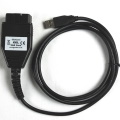
VW Audi USB KKL Diagnostic Interface Cable
£ 19.94 -
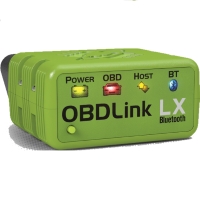
OBDLink LX EOBD OBD-II Bluetooth Interface
£ 94.96 -
MultiECUScan Package (CAN cars only)
£ 112.94 -
Ross-Tech VCDS HEX-V2 USB Package (10 VIN)
£ 299.00 -
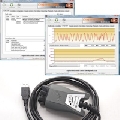
USB Engine package for 2001+ petrol, 2004+ diesel
£ 69.95 -
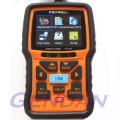
Foxwell NT301 Diagnostic Scan Tool
£ 69.00 -
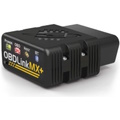
OBDLink MX+ EOBD OBD-II Bluetooth Interface
£ 129.95 -
Ross-Tech VCDS HEX-V2 USB Package (Unlimited VIN)
£ 499.00 -
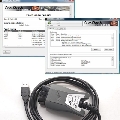
VauxCheck Software with vLinker FS USB interface
£ 64.94 -
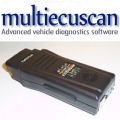
MultiECUScan Multiplex Package
£ 360.00 -
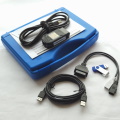
Ross-Tech VCDS HEX-V2 Enth. Plus Bundle (10 VIN)
£ 319.00 -
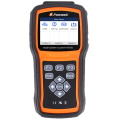
Foxwell NT530+ Full Systems Scan Tool - BMW & Mini
£ 164.00 -
Foxwell NT530+ Full Systems - Jaguar Land Rover
£ 164.00 -
VauxCheck Diagnostics Software download
£ 30.59 -
Foxwell NT530+ Full Systems - Peugeot/Citroën
£ 164.00 -
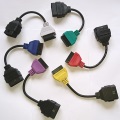
MultiECUScan Coloured Adaptor Cables
£ 31.94 -
Foxwell NT530+ Full Systems Scanner - Porsche
£ 164.00 -
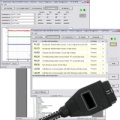
Opel-Scanner for Vauxhall and Opel cars
£ 199.00 -
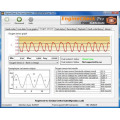
EngineCheck Pro Diagnostics Software Download
£ 57.14 -
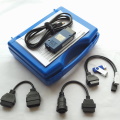
Ross-Tech VCDS HEX-NET Pro Plus Bundle (Unlimited)
£ 649.00 -
EngineCheck Pro Diagnostics Software Upgrade
£ 29.57 -
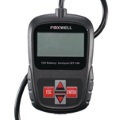
Foxwell BT100 12 Volt Battery Analyser
£ 44.95 -
Foxwell NT530+ Full Systems Scan Tool - Honda Cars
£ 164.00 -
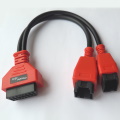
Security Gateway bypass adaptor for FCA vehicles
£ 24.95 -
MultiECUScan Package (Non-CAN cars only)
£ 85.00 -

Foxwell NT680 PLUS ALL Systems Scan Tool
£ 450.00 -
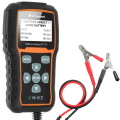
Foxwell BT715 12 / 24 Volt Battery Analyser
£ 85.00 -
Foxwell NT530+ Full Systems - Mercedes & Smart
£ 164.00 -
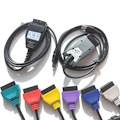
MultiECUScan Hardware Only Bundle
£ 80.00 -
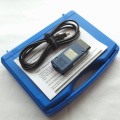
Ross-Tech VCDS HEX-NET Package (Unlimited VIN)
£ 625.00 -
Foxwell NT530+ Full Systems Tool - Vauxhall / Opel
£ 164.00 -
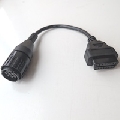
10-pin Adapter lead for GS911 with 16-pin plug
£ 19.94 -
Ross-Tech VCDS HEX-NET Interface Package (10 VIN)
£ 430.00 -
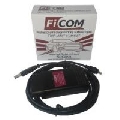
FiCOM Advanced Fiat & Alfa Diagnostics Package
£ 395.00 -
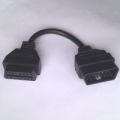
OBD-II / EOBD Extension Cable - 20cm
£ 12.50 -
Foxwell NT530+ Full Systems Tool - Hyundai / Kia
£ 164.00 -
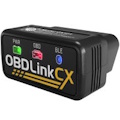
OBDLink CX Bluetooth Interface for BimmerCode
£ 79.96 -
MaxiECU for Vauxhall and Opel cars - Wireless
£ 140.00 -
Foxwell NT530+ Full Systems Tool - FIAT / Alfa
£ 164.00 -
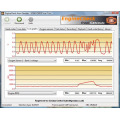
EngineCheck Diagnostics Software Download
£ 30.59 -
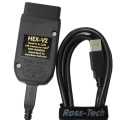
Ross-Tech VCDS HEX-V2 USB 3-VIN Package (No Case)
£ 222.00 -
GS-911 USB Enthusiast Package 16-pin
£ 215.00 -
Ross-Tech VCDS HEX-V2 USB Home Plus Bundle (3 VIN)
£ 245.00 -
UniCarScan UCSI-2100 Bluetooth Interface
£ 51.50 -
Foxwell NT530+ Full Systems Scan Tool - VAG cars
£ 164.00 -
OBD-II / EOBD Extension Cable - 3 metre
£ 14.95
