Explanation of an EOBD / OBDII fault code (DTC)
What is a Diagnostic Trouble Code (DTC)?
Diagnostic trouble codes (or fault codes) are codes that are stored by the on-board computer diagnostic system. These are stored in response to a problem found in the car by the system. These codes are stored, for example, when a sensor in the car reports a reading that is outside a pre-defined range, e.g. fuel mixture too rich.
The codes identify a particular problem area and are intended to provide the technician with a guide as to where a fault might be occurring within a car. The codes should be used in conjunction with the vehicle's service manual to ascertain which systems, circuits or components should be tested to fully diagnose the fault.
Reliance on codes alone
Parts or components should not be replaced with reference to only a DTC. The vehicle service manual should be consulted for more information on possible causes of the fault, along with required testing.
For example, if a DTC reports a sensor fault, replacement of the sensor is unlikely to resolve the underlying problem. The fault is most likely to be caused by the systems that the sensor is monitoring, but might even be caused by the wiring to the sensor itself.
DTCs may also be triggered by faults earlier down the line. For example, a dirty MAF sensor might be causing the car to overcompensate in its fuel-trim adjustments. As a result, oxygen sensors are likely to report fuel mixture problems.
Breakdown of a code
Diagnostic trouble codes are alphanumeric codes that are used to identify a problem that is present on any of the systems that are monitored by the on-board computer (ECM or PCM).
EOBD and OBD II diagnostic codes are composed of five characters; one letter followed by 4 digits, e.g. P0101.
The first character is a letter. It identifies the "main system" where the fault originated. This will be one of the following systems:
| Letter | System |
| B | Body |
| C | Chassis |
| P | Powertrain |
| U | Network (UART) |
The second character is a numeric digit. This identifies the type of code.
| Code type | Explanation |
|
Generic (normally P0xxx) |
The definition for the code is defined in the EOBD / OBD-II standard and will be the same for all manufacturers. |
|
Manufacturer-specific (normally P1xxx) |
Where manufacturers feel that a code is not available within the generic list, they can add their own codes. The definitions for these are set by the manufacturer. |
In general, codes that begin with P0 are Generic codes, whereas codes that begin with P1 are manufacturer-specific.
Additional code groups are however available to allow for expansion of these code lists.
The full breakdown of the code groups is shown below:
| Powertrain codes |
| P0xxx - Generic |
| P1xxx - Manufacturer-specific |
| P2xxx - Generic |
| P30xx-P33xx - Manufacturer-specific |
| P34xx-P39xx - Generic |
| Chassis codes |
| C0xxx - Generic |
| C1xxx - Manufacturer-specific |
| C2xxx - Manufacturer-specific |
| C3xxx - Generic |
| Body codes |
| B0xxx - Generic |
| B1xxx - Manufacturer-specific |
| B2xxx - Manufacturer-specific |
| B3xxx - Generic |
| � |
| Network Communication codes |
| U0xxx - Generic |
| U1xxx - Manufacturer-specific |
| U2xxx - Manufacturer-specific |
| U3xxx - Generic |
The third character defines the specific system or sub-system within the car where the problem is located:
| Third character | System or sub-system |
| 1 | Fuel and Air Metering |
| 2 | Fuel and Air Metering (injector circuit malfunction only) |
| 3 | Ignition System or Misfire |
| 4 | Auxiliary Emission Control System |
| 5 | Vehicle Speed Control and Idle Control System |
| 6 | Computer Output Circuits |
| 7 | Transmission |
| 8 | Transmission |
It should be noted that manufacturers are not required to follow the generic numbering system above for their manufacturer-specific codes (many do appear to follow these though).
The fourth and fifth characters identify the section of the system causing the fault. There is no detailed list of the components indicated by these digits, as each system or sub-system will have many different components.
Code lookup
If you would like to look up an EOBD or OBD-II trouble code definition, please use our lookup database by clicking here.
-
Ross-Tech VCDS HEX-V2 USB Package (3 VIN)
£ 225.00 -
MultiECUScan Diagnostic Package (USB)
£ 129.95 -
Gendan EngineCheck Pro USB package
£ 99.95 -
VW Audi USB KKL Diagnostic Interface Cable
£ 19.94 -
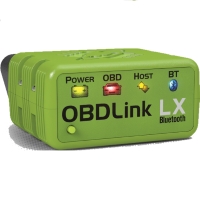
OBDLink LX EOBD OBD-II Bluetooth Interface
£ 94.96 -
MultiECUScan Package (CAN cars only)
£ 112.94 -
USB Engine package for 2001+ petrol, 2004+ diesel
£ 69.95 -
Ross-Tech VCDS HEX-V2 USB Package (10 VIN)
£ 299.00 -
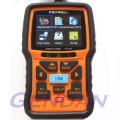
Foxwell NT301 Diagnostic Scan Tool
£ 69.00 -
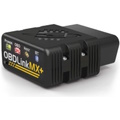
OBDLink MX+ EOBD OBD-II Bluetooth Interface
£ 129.95 -
Ross-Tech VCDS HEX-V2 USB Package (Unlimited VIN)
£ 499.00 -
VauxCheck Software with vLinker FS USB interface
£ 64.94 -
Ross-Tech VCDS HEX-V2 Enth. Plus Bundle (10 VIN)
£ 319.00 -
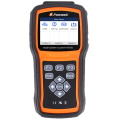
Foxwell NT530+ Full Systems Scan Tool - BMW & Mini
£ 164.00 -
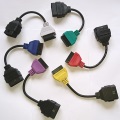
MultiECUScan Coloured Adaptor Cables
£ 31.94 -
Foxwell NT530+ Full Systems - Jaguar Land Rover
£ 164.00 -
Foxwell NT530+ Full Systems Scanner - Porsche
£ 164.00 -
Foxwell NT530+ Full Systems - Peugeot/Citroën
£ 164.00 -
VauxCheck Diagnostics Software download
£ 30.59 -
Opel-Scanner for Vauxhall and Opel cars
£ 199.00 -
EngineCheck Pro Diagnostics Software Download
£ 57.14 -
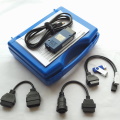
Ross-Tech VCDS HEX-NET Pro Plus Bundle (Unlimited)
£ 649.00 -
EngineCheck Pro Diagnostics Software Upgrade
£ 29.57 -
MaxiECU for Vauxhall and Opel cars - Wireless
£ 140.00 -
Foxwell NT530+ Full Systems Tool - FIAT / Alfa
£ 164.00 -
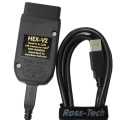
Ross-Tech VCDS HEX-V2 USB 3-VIN Package (No Case)
£ 222.00 -
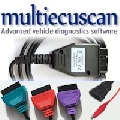
MultiECUScan Package (Non-CAN cars only)
£ 85.00 -
GS-911 USB Enthusiast Package 16-pin
£ 215.00 -
Foxwell NT530+ Full Systems - Renault / Dacia
£ 164.00 -
EngineCheck Diagnostics Software Download
£ 30.59 -
Ross-Tech VCDS HEX-V2 USB Home Plus Bundle (3 VIN)
£ 245.00 -
UniCarScan UCSI-2100 Bluetooth Interface
£ 51.50 -
Foxwell NT530+ Full Systems Scan Tool - VAG cars
£ 164.00 -
Ross-Tech VCDS HEX-NET Interface Package (10 VIN)
£ 430.00 -
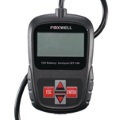
Foxwell BT100 12 Volt Battery Analyser
£ 35.95 -
Foxwell NT530+ Full Systems Scan Tool - Honda Cars
£ 164.00 -
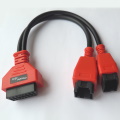
Security Gateway bypass adaptor for FCA vehicles
£ 24.95 -

Foxwell NT680 PLUS ALL Systems Scan Tool
£ 450.00 -
Foxwell NT530+ Full Systems - Mercedes & Smart
£ 164.00 -
Ross-Tech VCDS HEX-NET Package (Unlimited VIN)
£ 625.00 -

vLinker FD+ 4.0 Bluetooth Interface for ForScan
£ 39.95 -
Foxwell NT530+ Full Systems Tool - Vauxhall / Opel
£ 164.00 -
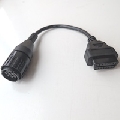
10-pin Adapter lead for GS911 with 16-pin plug
£ 19.94 -
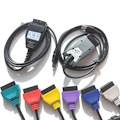
MultiECUScan Hardware Only Bundle
£ 80.00 -
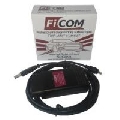
FiCOM Advanced Fiat & Alfa Diagnostics Package
£ 395.00 -
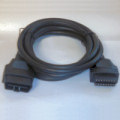
OBD-II / EOBD Extension Cable - 3 metre
£ 14.95 -
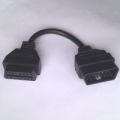
OBD-II / EOBD Extension Cable - 20cm
£ 12.50 -
Foxwell NT530+ Full Systems Tool - Hyundai / Kia
£ 164.00 -
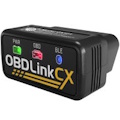
OBDLink CX Bluetooth Interface for BimmerCode
£ 79.96
