Gendan and the Environment: RoHS and WEEE
Our culture
At Gendan Limited, we try to ensure that we do our part to look after the world we live and work in.- Energy consumption: We are careful with our use of energy - using only energy-saving lighting and heating - and we turn off almost all electrical equipment at night.
- Waste: We make every effort to produce as little waste as possible - recycling or re-using as much as we can.
- Packaging: Where possible, we use lightweight and biodegradeable materials for packaging and try to re-use all of the packaging we receive. If we can't reuse it, we'll recycle it.
- Vehicles: We don't operate company cars or have a fleet of polluting vehicles.
- Products: We ensure that our products comply with European legislation on Waste Electrical Equipment and Hazardous Substances.
- Suppliers: In line with WEEE and RoHS requirements, we carefully select our suppliers to meet European environmental standards.
RoHS compliance
The RoHS Directive restricts the use of certain hazardous substances in electrical and electronic equipment. This Directive bans the placing on the EU market of new electrical and electronic equipment containing more than agreed levels of lead, cadmium, mercury, hexavalent chromium, polybrominated biphenyl (PBB) and polybrominated diphenyl ether (PBDE) flame retardants.The RoHS Directive and the UK RoHS regulations came into force on 1 July 2006.
Prior to the introduction of the ROHS requirements, we worked with each of our suppliers to confirm that products and components met the requirements. This included destructive testing of certain products to confirm that either substances weren't present or that any traces were well within the agreed limits.
All new products are sourced only from suppliers meeting the RoHS standards.
WEEE Directive
The Waste Electrical and Electronic Equipment (WEEE) Directive was agreed on 13 February 2003, along with
the related Directive on Restrictions of the use of certain Hazardous Substances in electrical and electronic
equipment (RoHS).
The UK Regulations implementing the WEEE Directive were laid before Parliament on 12 December 2006 and came into force on 2 January 2007.
WEEE is one of the fastest growing waste streams in the western world with approximately 2 million tonnes of equipment being thrown away every year in the UK.
The WEEE Directive falls into a category of legislation referred to as 'Producer Responsibility' and requires businesses to take responsibility for the impact on the environment when their products become waste.
The UK Regulations implementing the WEEE Directive were laid before Parliament on 12 December 2006 and came into force on 2 January 2007.
WEEE is one of the fastest growing waste streams in the western world with approximately 2 million tonnes of equipment being thrown away every year in the UK.
The WEEE Directive falls into a category of legislation referred to as 'Producer Responsibility' and requires businesses to take responsibility for the impact on the environment when their products become waste.
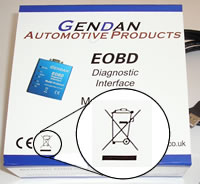
Gendan Limited is registered with the Environment Agency as a producer under the WEEE Directive. Our producer number is WEE/FF0069TY
Business WEEE collection
Business customers purchasing new EEE from us and wishing to arrange collection of like-for-like WEEE products, can contact us for information on WEEE collection.
Consumer WEEE take-back scheme
WEEE should be not be disposed of as general municipal waste. It should instead be processed through local recycling and disposal facilities. Local councils will be able to provide information on the location of facilities near you.
If you are purchasing a like-for-like EEE (Electronic and Electrical Equipment) product from us that will completely replace an existing product you have, under the WEEE legislation, you can return your old product to us for disposal. Please contact us for details on doing this. Customers must return their like-for-like WEEE item to us within 28 days of purchasing their new item.
-
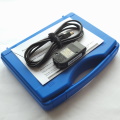
Ross-Tech VCDS HEX-V2 USB Package (3 VIN)
£ 225.00 -
MultiECUScan Diagnostic Package (USB)
£ 129.95 -
Gendan EngineCheck Pro USB package
£ 99.95 -
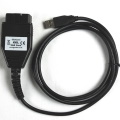
VW Audi USB KKL Diagnostic Interface Cable
£ 19.94 -
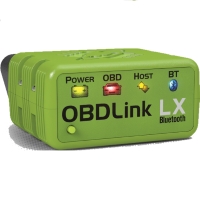
OBDLink LX EOBD OBD-II Bluetooth Interface
£ 94.96 -
MultiECUScan Package (CAN cars only)
£ 112.94 -
Ross-Tech VCDS HEX-V2 USB Package (10 VIN)
£ 299.00 -
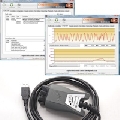
USB Engine package for 2001+ petrol, 2004+ diesel
£ 69.95 -
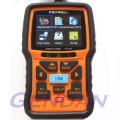
Foxwell NT301 Diagnostic Scan Tool
£ 69.00 -
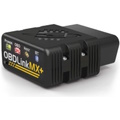
OBDLink MX+ EOBD OBD-II Bluetooth Interface
£ 129.95 -
Ross-Tech VCDS HEX-V2 USB Package (Unlimited VIN)
£ 499.00 -
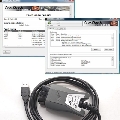
VauxCheck Software with vLinker FS USB interface
£ 64.94 -
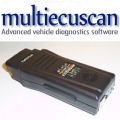
MultiECUScan Multiplex Package
£ 360.00 -
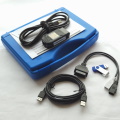
Ross-Tech VCDS HEX-V2 Enth. Plus Bundle (10 VIN)
£ 319.00 -
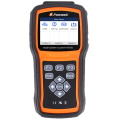
Foxwell NT530+ Full Systems Scan Tool - BMW & Mini
£ 164.00 -
Foxwell NT530+ Full Systems - Jaguar Land Rover
£ 164.00 -
VauxCheck Diagnostics Software download
£ 30.59 -
Foxwell NT530+ Full Systems - Peugeot/Citroën
£ 164.00 -
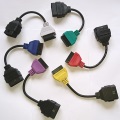
MultiECUScan Coloured Adaptor Cables
£ 31.94 -
Foxwell NT530+ Full Systems Scanner - Porsche
£ 164.00 -
Opel-Scanner for Vauxhall and Opel cars
£ 199.00 -
EngineCheck Pro Diagnostics Software Download
£ 57.14 -
Ross-Tech VCDS HEX-NET Pro Plus Bundle (Unlimited)
£ 649.00 -
EngineCheck Pro Diagnostics Software Upgrade
£ 29.57 -
Foxwell BT100 12 Volt Battery Analyser
£ 44.95 -
Foxwell NT530+ Full Systems Scan Tool - Honda Cars
£ 164.00 -
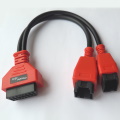
Security Gateway bypass adaptor for FCA vehicles
£ 24.95 -
MultiECUScan Package (Non-CAN cars only)
£ 85.00 -

Foxwell NT680 PLUS ALL Systems Scan Tool
£ 450.00 -
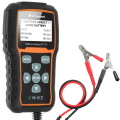
Foxwell BT715 12 / 24 Volt Battery Analyser
£ 85.00 -
Foxwell NT530+ Full Systems - Mercedes & Smart
£ 164.00 -
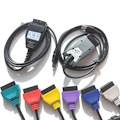
MultiECUScan Hardware Only Bundle
£ 80.00 -
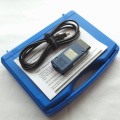
Ross-Tech VCDS HEX-NET Package (Unlimited VIN)
£ 625.00 -
Foxwell NT530+ Full Systems Tool - Vauxhall / Opel
£ 164.00 -
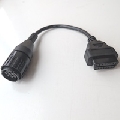
10-pin Adapter lead for GS911 with 16-pin plug
£ 19.94 -
Ross-Tech VCDS HEX-NET Interface Package (10 VIN)
£ 430.00 -
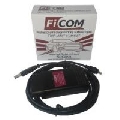
FiCOM Advanced Fiat & Alfa Diagnostics Package
£ 395.00 -
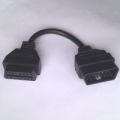
OBD-II / EOBD Extension Cable - 20cm
£ 12.50 -
Foxwell NT530+ Full Systems Tool - Hyundai / Kia
£ 164.00 -
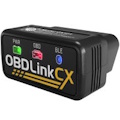
OBDLink CX Bluetooth Interface for BimmerCode
£ 79.96 -
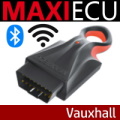
MaxiECU for Vauxhall and Opel cars - Wireless
£ 140.00 -
Foxwell NT530+ Full Systems Tool - FIAT / Alfa
£ 164.00 -
EngineCheck Diagnostics Software Download
£ 30.59 -
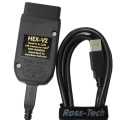
Ross-Tech VCDS HEX-V2 USB 3-VIN Package (No Case)
£ 222.00 -
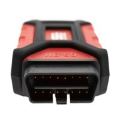
GS-911 USB Enthusiast Package 16-pin
£ 215.00 -
Ross-Tech VCDS HEX-V2 USB Home Plus Bundle (3 VIN)
£ 245.00 -
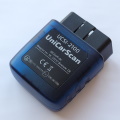
UniCarScan UCSI-2100 Bluetooth Interface
£ 51.50 -
Foxwell NT530+ Full Systems Scan Tool - VAG cars
£ 164.00 -
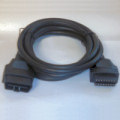
OBD-II / EOBD Extension Cable - 3 metre
£ 14.95
